
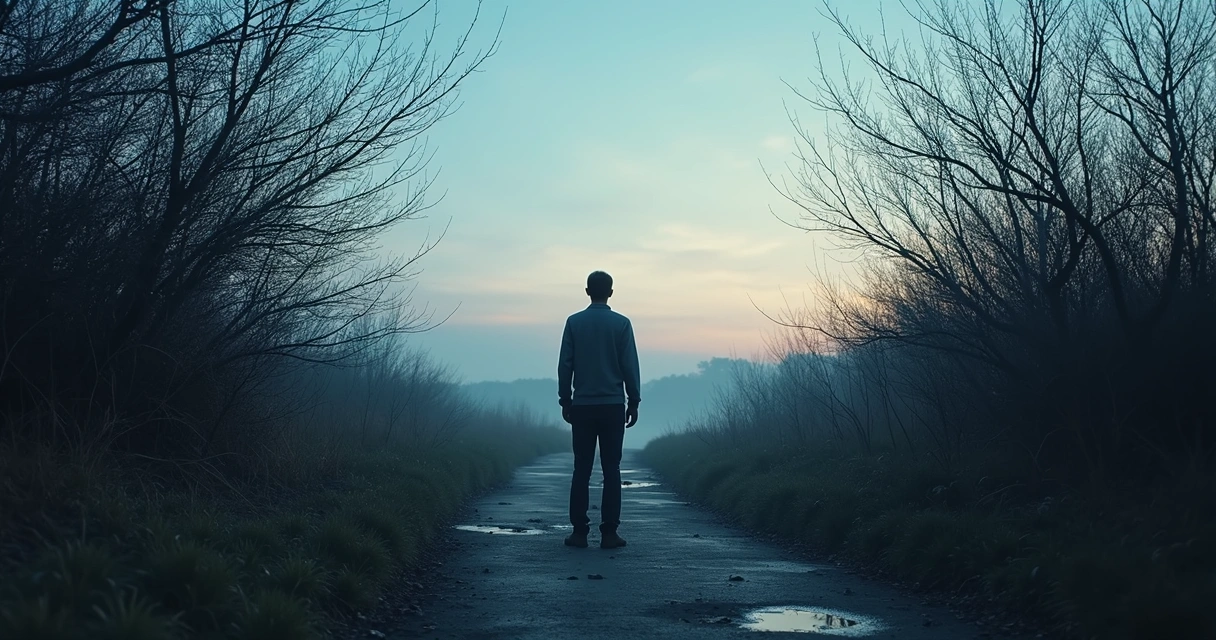
Most of us have lived this scene. We replay a hard talk, a mistake, or a loss late at night. We think we are learning. Yet after an hour, we feel more tired, more tense, and no clearer than before.
This is where the line between rumination and reflection starts to matter. Both involve thinking about our inner life. Both can begin with the same event. But they do not lead to the same place.
Rumination traps us in repetitive thought, while reflection helps us make meaning and move forward.
When we confuse one for the other, we may call suffering “self-awareness.” We may think that because we are thinking deeply, we are growing. In our experience, that is not always true. Depth is not the same as progress.
What rumination really looks like
Rumination is a loop. We return to the same issue again and again, often with a tone of blame, fear, or regret. The mind keeps circling, but it does not build a bridge.
It may sound like this inside us: Why did I say that? What is wrong with me? What if it happens again? Why can’t I let this go?
The focus is narrow. The body often joins in, with jaw tension, shallow breathing, or heaviness in the chest. We are not only thinking. We are reliving.
It feels active. It keeps us stuck.
Rumination often has a few common signs:
- We repeat the same thought with no new insight.
- We ask “why” in a blaming way, not a curious way.
- We feel less calm as time passes.
- We end the thinking session with no clear next step.
Many people ruminate because they care. They want to understand pain, avoid future mistakes, or regain control. This is human. But good intent does not always create a healthy result.
What reflection does differently
Reflection also turns inward, but it does so with structure and honesty. Instead of circling the wound, it studies the experience. It asks what happened, what we felt, what we believed, and what we can now choose.
Reflection is not passive replay. It is guided awareness with a purpose.
We can think of reflection as a conversation with ourselves that has direction. It is less about self-punishment and more about self-knowledge. It creates space between the event and our identity.
For example, after conflict, rumination says, “I always ruin things.” Reflection says, “I felt threatened, so I became defensive. Next time, I want to pause before I answer.”
That shift is small in language, but large in effect. One statement collapses us. The other teaches us.

Why rumination blocks healthy growth
Healthy growth needs awareness, but it also needs movement. Rumination blocks movement because it keeps our attention locked on pain without helping us process it.
In our observation, rumination tends to weaken growth in three ways:
- It drains emotional energy that could support healing.
- It strengthens harsh self-talk and old fear patterns.
- It confuses mental activity with actual change.
There is also a time problem. Rumination keeps the past emotionally present. The event may be over, but the nervous system acts as if it is still happening. That makes wise choice harder.
We have seen people spend weeks revisiting a single moment, hoping that one more round of thinking will bring relief. Instead, the thought becomes a habit. Then the habit becomes an inner climate.
Growth needs insight, but it also needs closure, action, and emotional regulation.
How reflection supports healthy growth
Reflection supports growth because it links awareness with responsibility. It helps us notice patterns without becoming those patterns. It also helps us name what is true now, not only what hurt then.
When reflection is healthy, it usually includes:
- A clear topic or question
- An honest review of feelings and facts
- Compassion without excuse
- A practical lesson or next step
This process is more stable because it includes both mind and behavior. We are not just asking what happened. We are asking what this moment is teaching us.
Sometimes reflection is quiet and private. Sometimes it happens in writing. Sometimes it comes after a walk, a pause, or a deep breath that breaks the old loop. The method may change, but the outcome is similar. We gain perspective.
How to tell which one you are doing
A simple check can help. When we finish thinking about a hard issue, we can ask: Do we feel clearer, kinder, and more able to act? Or do we feel more confused, ashamed, and frozen?
The answer often reveals the process.
We can also watch the questions we ask ourselves. Reflection tends to ask open, grounded questions. Rumination often asks loaded questions that carry blame.
Helpful reflection questions may include:
- What am I feeling right now?
- What part of this situation is fact, and what part is fear?
- What pattern do I want to interrupt?
- What is one response I would respect tomorrow?
If our thoughts have no end point, no compassion, and no learning, we may be in rumination even if it looks like “deep thinking.” That can be hard to admit. Still, it is freeing when we do.
Ways to shift from rumination to reflection
The shift does not always happen by force. In fact, trying to “stop thinking” can make the loop louder. A better approach is to change the quality of attention.
We can begin with a few grounded moves:
- Pause the loop with the body. Stand up, breathe slowly, or step outside.
- Name the pattern. Say, “I am looping, not learning.”
- Set a limit. Give the issue ten focused minutes in a journal.
- End with one lesson and one action.
These steps sound simple. Often, simple is what works. We do not need a perfect inner state to reflect well. We need enough steadiness to face the truth without feeding the spiral.
There is also wisdom in timing. Not every moment is the right moment to reflect. If we are flooded, tired, or raw, it may be wiser to calm the body first. Reflection works better when the mind is not under siege.
Conclusion
Rumination and reflection may start in the same place, but they do not serve the same future. Rumination repeats pain without transforming it. Reflection turns experience into insight, then insight into choice.
We believe healthy growth asks for more than thought. It asks for awareness that can become understanding, and understanding that can become action. That is why reflection supports growth more reliably than rumination.
If we want to mature in a real way, we do not need to think forever. We need to think clearly, feel honestly, and choose with intention.
Growth begins when the loop ends.
Frequently asked questions
What is rumination in mental health?
Rumination in mental health is a pattern of repetitive, negative thinking that stays focused on distress, mistakes, fear, or loss without leading to resolution. It often keeps us emotionally stuck and can increase anxiety, sadness, and self-criticism.
What is self-reflection used for?
Self-reflection is used to understand our thoughts, feelings, choices, and patterns in a clear way. It helps us learn from experience, make better decisions, repair behavior, and grow with more awareness and balance.
How does rumination affect personal growth?
Rumination affects personal growth by trapping attention in the past and reinforcing harsh inner narratives. Instead of helping us learn, it often drains energy, reduces clarity, and makes change harder because the mind stays in a cycle rather than moving toward action.
How can I stop ruminating thoughts?
We can reduce ruminating thoughts by first noticing the loop, then interrupting it with grounding actions such as breathing slowly, walking, or writing for a set time. It also helps to replace blaming questions with clear ones, focus on facts, and end with one useful next step.
Is reflection better than rumination?
Yes, reflection is better than rumination because it supports insight, emotional balance, and constructive action.
While rumination repeats distress, reflection helps us process experience in a way that leads to learning and healthier growth.