
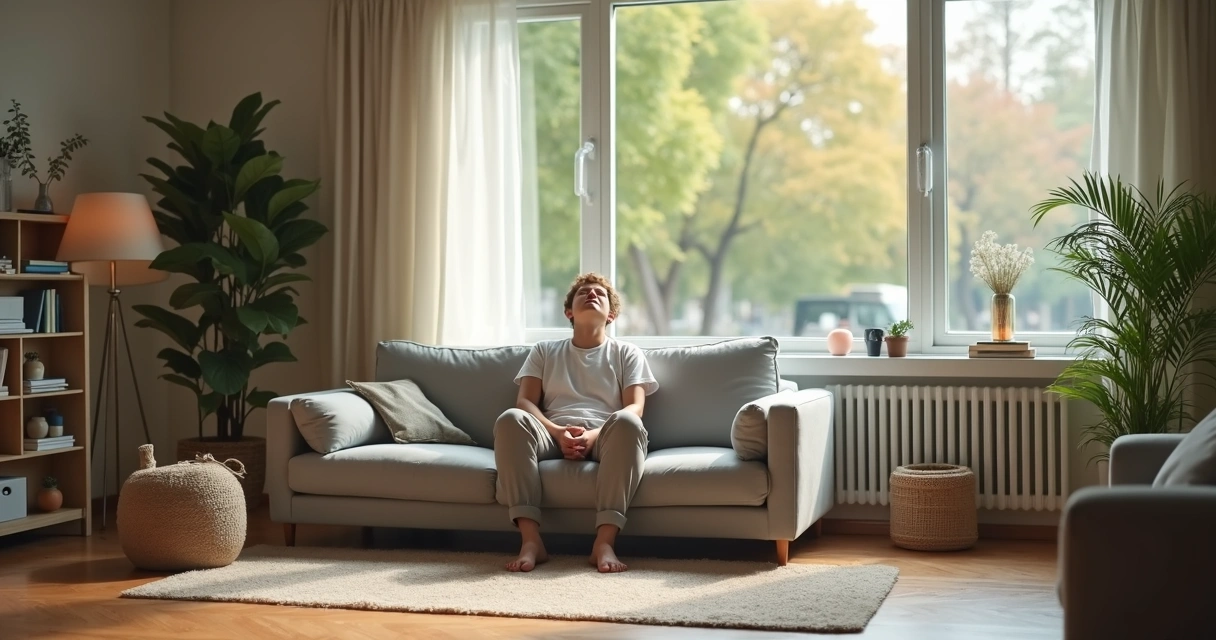
Have you ever noticed how a peaceful room or a vibrant park can change the way you feel, almost instantly? Our environment influences us in ways that often go unnoticed, painting the background of our thoughts, actions, and emotions. We believe that understanding this connection is not just helpful; it is foundational in building genuine emotional stability.
The invisible ties between environment and emotion
Every day, we move through different spaces: our home, workplace, public areas, or even digital environments. Each space carries signals—colors, sounds, smells, structures, and the presence or absence of other people. From our perspective, these signals communicate with our senses and shape how we regulate emotions, think, and behave.
Imagine stepping into a cluttered office, buzzing with noise and glaring fluorescent lights. Now, picture a calm park with trees and soft sunlight. Most people sense the difference immediately, not just in mood, but in their ability to focus, connect, and manage stress.
Our environments are silent partners in our emotional lives.
But how does this work? We have noticed five major pathways through which environments influence emotional stability:
- Sensory input: light, color, sound, scent, and texture affect our mood in subtle and powerful ways.
- Social context: nearby people, their behaviors, and shared cultural signals contribute to emotional norms.
- Physical order and safety: clutter, cleanliness, and a sense of security or danger signal our brains about how to react.
- Personal meaning: objects, photos, and décor can fuel comfort or discomfort, based on our past experiences.
- Access to nature: natural elements like plants, water, and sunlight have a calming effect on the mind.
In our experience, when these factors work together positively, they create a ground for emotional balance. When negative, they often breed anxiety, irritability, and fatigue.
The science behind environment and emotional response
Why do some spaces calm us, and others agitate? Our senses are always collecting data, even when we are unaware. This continuous input travels straight to the areas of the brain responsible for emotion and memory.
Research shows that a bright, open room can lower cortisol, the stress hormone, even before we consciously recognize comfort. In contrast, noisy, cramped, harshly-lit places tend to increase tension, put us on alert, and decrease our ability to regulate feelings.
For example, studies on natural environments—parks, gardens, green spaces—show not only lower reported stress but measurable improvements in heart rate and focus. Objects and symbols with personal significance also stimulate positive emotions and resilience, as our brains connect these with memories and values.
How our physical and social environments interact
The physical place is only part of the story. We think it is impossible to separate physical surroundings from social context. Environments contain unspoken rules—how loud to speak, whether to express feelings, how to interact—that shape what feels safe or risky emotionally.
Consider three common environments:
- A quiet library where people read in silence offers safety for reflection and calm.
- A bustling restaurant may encourage conversation, laughter, and sometimes overstimulation.
- A crowded elevator usually makes people guard their space and emotions.
The emotional “climate” of a space is shaped by everyone in it, not just by walls and furniture. In our work with groups and families, we regularly see how changing communication and interaction can shift the entire emotional tone of a room.
What are the signs of an environment that drains emotional stability?
From the feedback we receive, people recognize difficult environments through feelings even before pinpointing causes. Some common signs include:
- Constant tiredness or irritability when in a certain space
- Difficulty focusing, frequent distractions, or restless thoughts
- A sense of tension in the body—clenched jaw, tight shoulders, shallow breathing
- Withdrawal from others, or frequent conflict
- A lack of safety or trust, even if threat is not obvious
A single factor rarely stands alone. For many, it is the combination—loudness plus chaos, isolation plus lack of sunlight, or clutter plus negative social vibes—that has the most impact.
How to shape environments that grow emotional stability
Over time, we have found that even small, intentional shifts in our environment can help. This is not only about expensive changes or moving to a new place. It is often the simplest actions that make a difference.
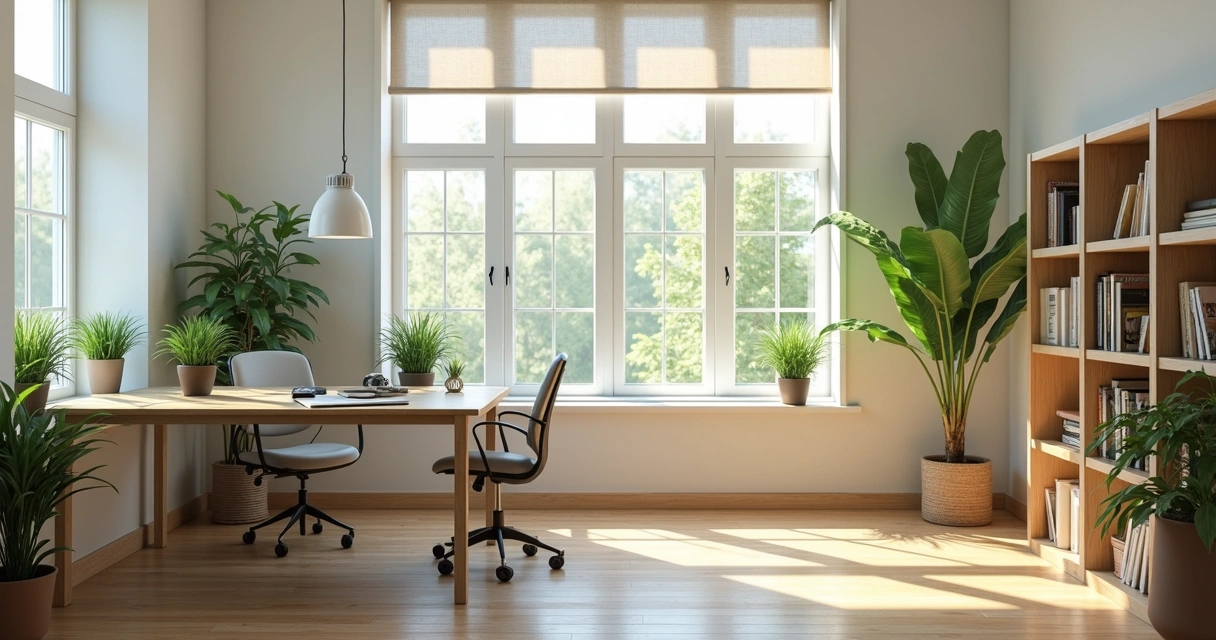
Some ideas we suggest include:
- Decluttering a single area—remove what is unused, organize what matters
- Let natural light in where possible, and use softer lights in the evening
- Incorporate plants, natural colors, or small objects that inspire peace
- Use noise as a tool: play calming music or use white noise for focus, minimize disruptive sounds
- Get fresh air and spend moments outdoors each day
We believe that equally important is shaping the social environment:
- Encourage open, kind conversations
- Set and respect boundaries—physical and emotional
- Be mindful of the signals we send with body language and tone
Sometime, even the act of noticing what in our environment supports or disrupts equilibrium is the first, transformative step.

Why awareness and choice matter most
We cannot always change every element of our environment. Some factors are outside of our control. But in our perspective, the simple act of awareness gives us back a sense of agency over how we respond and adapt.
When we notice challenging elements, even adopting a few regular practices—such as mindful breathing, sensory grounding, or small acts of self-care—can buffer their impact.
Throughout everything, we see that emotional stability is not just about “being calm”—it is about having the inner and outer support to respond to life with resilience, clarity, and kindness.
Conclusion
Our deepest experiences teach us that our environment shapes our moods, decisions, relationships, and even our sense of purpose. By nurturing spaces that support our well-being—both physical and social—we create the conditions for true emotional stability to grow. This stability is not a fixed state, but a process shaped, day by day, by the world around us and the choices we make within it.
Frequently asked questions
What is environmental emotional stability?
Environmental emotional stability refers to the ability to maintain balanced emotions and mental well-being, influenced by the physical and social surroundings we spend time in. Rather than being just an inner trait, it is affected by light, sound, people, order, and symbols in our environment.
How does my environment affect emotions?
Your environment affects emotions by activating senses and triggering stress or comfort responses. For example, clutter or loud noise can increase anxiety, while natural light, pleasant spaces, and supportive social interactions promote positive moods and calm reactions.
Can changing my environment improve mood?
Yes, even small changes—such as reducing clutter, introducing plants, increasing exposure to natural sunlight, or improving social interactions—can noticeably improve your mood and emotional stability.
What are signs of a negative environment?
Common signs include feeling tired or anxious in a space, frequent distractions, tension in your body, regular conflicts, and a general sense of discomfort or lack of safety, even if you cannot immediately identify the reason.
How can I create a positive environment?
Start by decluttering, allowing natural light, adding inspiring or calming elements, and nurturing positive social connections. Notice which spaces make you feel well and aim to introduce those qualities in your daily surroundings wherever possible.