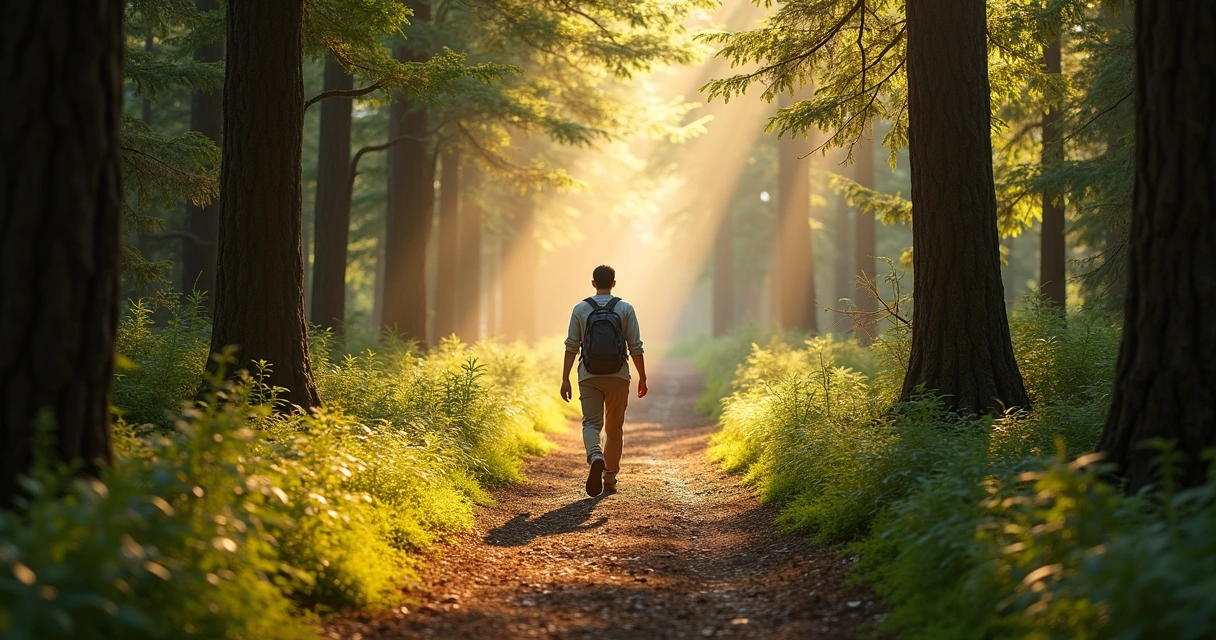
We often think of walking as a plain habit. We do it to get somewhere, count steps, or clear the head after a long day. Yet when we slow down, feel the ground, notice the air, and stay present, the walk changes us in quieter ways.
Mindful walking outdoors is not just movement. It is a practice of attention in motion.
In our experience, many people already know that walking can help fitness and mood. What gets less attention are the subtle gains that build over time. These benefits do not always show up in a smartwatch report, but they shape how we think, feel, and relate to daily life.
It helps us leave mental noise behind
Indoor life can fill the mind with signals, alerts, and unfinished thoughts. A mindful outdoor walk creates a pause from that flood. We begin to notice the sound of leaves, the pattern of light on the sidewalk, or the rhythm of our breath. The brain has fewer demands to juggle.
We have seen that this simple shift can soften inner noise. A randomized intervention published through research on mindful walking and stress reduction found that four weeks of mindful walking reduced perceived stress more than a control condition in adults with low physical activity. That matters because stress is not only a feeling. It affects judgment, patience, and even how we speak to the people around us.
Less noise. More presence.
It sharpens our senses in a gentle way
Many of us move through the day half aware. We see without looking. We hear without listening. Mindful walking trains the senses without pressure. We notice temperature, birdsong, distant traffic, body posture, and small shifts in pace.
This kind of sensory wakefulness supports grounding. Instead of being trapped in thought, we return to direct experience. For people who feel mentally scattered, that can be a relief.
When we pay attention to simple sensory details, the present moment becomes easier to enter.
There is also a practical side. Better sensory awareness can make us more responsive to our environment. We may walk with more balance, catch signs of tension in the body earlier, and make better choices about when to slow down or rest.
It improves mood faster than many people expect
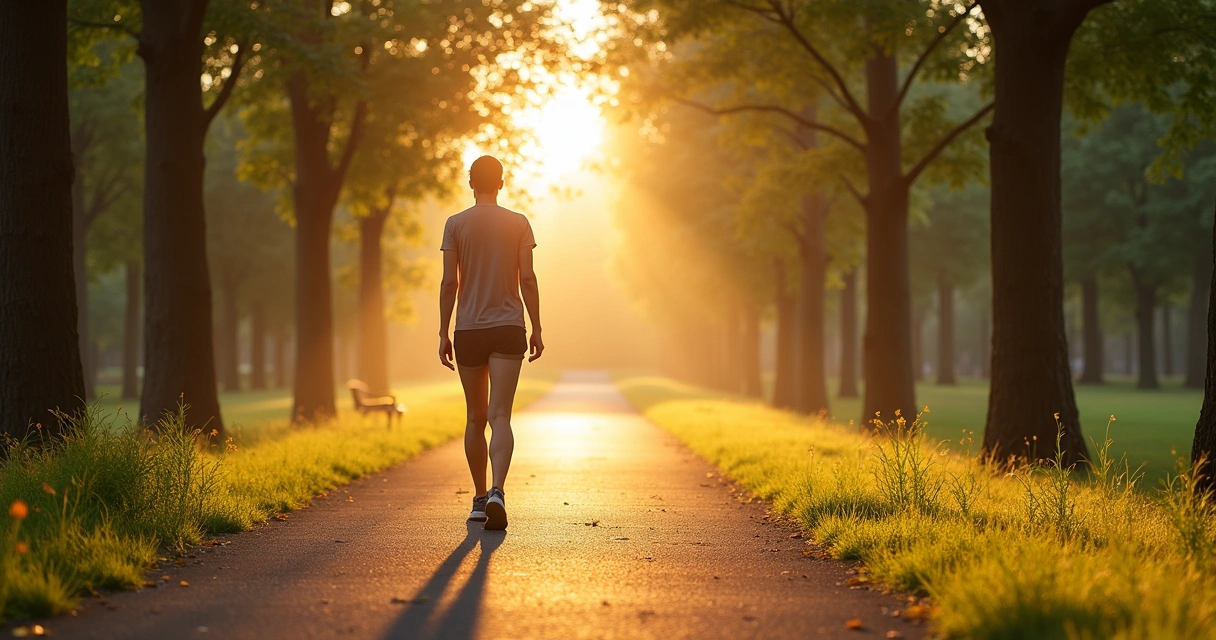
Some people think a walk only “works” if it is long. We do not see it that way. Short mindful walks can already shift mental state. According to findings shared by University of Utah Health on brief outdoor time, even 10 minutes outside may help mood and cognitive function.
That is easy to overlook because the result can feel modest in the moment. We may just notice that the chest feels less tight, or that a problem seems a bit less heavy. Still, these small improvements add up. A better mood often leads to calmer reactions, kinder conversations, and better sleep later on.
We think this is one reason the practice lasts. It asks little, yet gives something back quickly.
It can reduce body tension that hides in plain sight
Stress often lives in the body before it becomes a clear thought. Jaw tension, shallow breathing, stiff shoulders, and fast steps can all become normal without us noticing. Walking mindfully outdoors gives us a moving body scan.
As we walk, we may observe:
- Tight hands or clenched teeth
- Raised shoulders
- Holding the breath
- Rushing for no real reason
Once we notice these patterns, we can soften them. That awareness alone changes the walk. Over time, it can change the day.
We also know that this may affect stress chemistry. A report from Loma Linda University Health on mindful walking and cortisol points to the role mindful walking may play in lowering cortisol, a hormone linked with ongoing stress. This helps explain why some people feel calmer after walking, even before they can explain why.
It restores our thinking without forcing it
There are days when thinking harder does not help. We sit with a problem, push for an answer, and get nowhere. Then we step outside and walk. Ten or twenty minutes later, things seem clearer.
This is not magic. It is a reset. Outdoor attention is wide, not narrow. Mindful walking gives the mind room to settle while keeping it gently engaged in the present. We are not zoning out, but we are also not squeezing for results.
Some answers appear when we stop chasing them and start noticing what is around us.
We have heard this from people handling work stress, family decisions, and emotional conflict. The walk does not solve everything. It creates the inner conditions for better thinking.
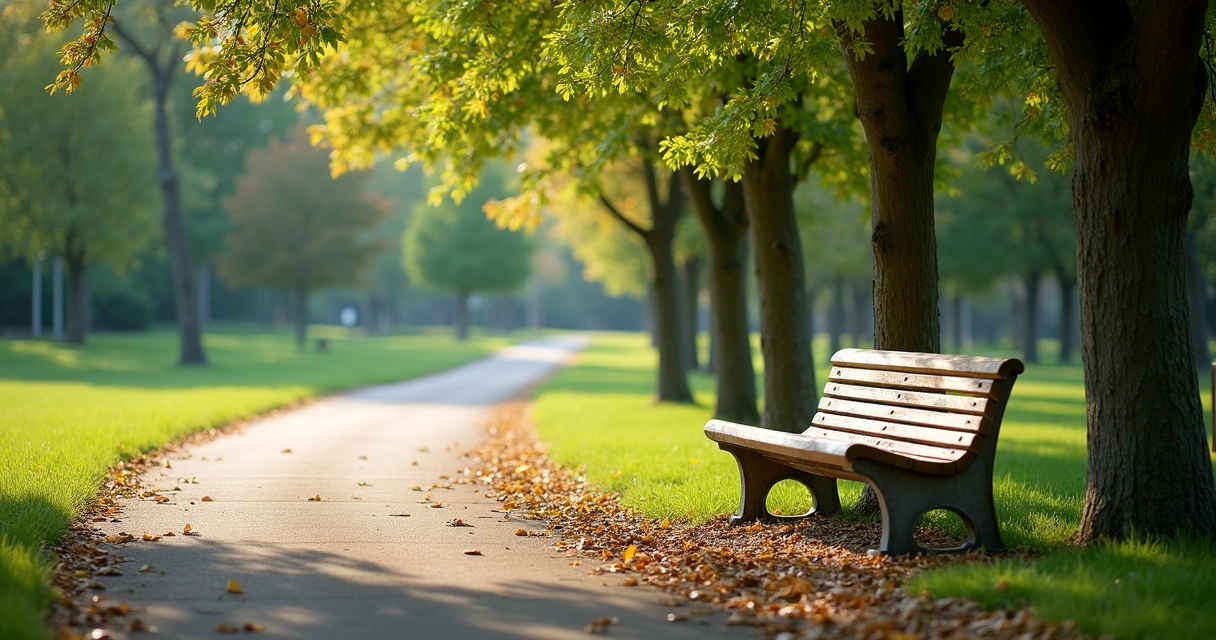
It deepens our relationship with place
When we walk mindfully in the same area more than once, the place stops being background. We begin to know it. We notice which corner holds cool shade, where birds gather, how the air changes before rain, and when the street gets quieter.
This may sound small, but it can ease feelings of disconnection. A familiar outdoor route becomes more than a route. It becomes a place where we return to ourselves. In hard weeks, that kind of familiarity can feel steadying.
We think many people need this more than they realize. Not just exercise, but connection with the spaces that hold daily life.
It builds patience through rhythm
Mindful walking has its own pace. Not slow for the sake of looking spiritual, and not fast from inner pressure. Just steady. This rhythm teaches patience in a practical way.
We match breath to steps. We wait at crossings. We let thoughts come and pass. We stop trying to fill every second. That repeated act of not rushing can shape our wider behavior. We interrupt less. We react less sharply. We become a little more able to stay with what is here.
Rhythm teaches patience.
That lesson is easy to miss because it grows quietly. Still, it changes how we move through stress.
It supports self-honesty
There is something about walking outdoors with attention that makes truth easier to hear. We may notice sadness we were avoiding. Or fatigue. Or the fact that we are trying to carry too much. At first, that can feel uncomfortable. Yet it is often the start of better care.
In our view, self-awareness is stronger when it includes the body, the environment, and the moment we are in. A mindful walk brings these together. We are less likely to stay trapped in abstract stories and more likely to sense what is real now.
Conclusion
The overlooked benefits of walking outdoors mindfully are not flashy. They are quiet, human, and deeply practical. We gain less mental noise, steadier mood, better sensory awareness, softer body tension, clearer thought, more connection with place, greater patience, and more honest self-perception.
That is a lot from a simple act.
If we walk outdoors with real attention, even for a short time, we are not only passing through space. We are training the mind, calming the body, and making room for a more grounded way of living.
Frequently asked questions
What is mindful walking outdoors?
Mindful walking outdoors is the practice of walking outside while paying close attention to the present moment. We notice our steps, breath, posture, surroundings, and bodily sensations without judgment. It is less about distance and more about awareness.
How do I start walking mindfully?
We suggest starting with 10 minutes on a simple route. Walk at a natural pace and place your attention on your feet touching the ground, your breathing, and the sounds around you. When the mind wanders, gently bring it back. That is the practice.
Is mindful walking worth my time?
Yes, mindful walking is worth your time because it supports stress relief, emotional balance, and clearer thinking with very little setup.
Even brief walks can help, especially when done with steady attention rather than distraction.
What are the best places for mindful walks?
The best places are safe, calm, and easy to access. Parks, quiet streets, gardens, trails, and open green spaces work well. We also think a familiar route near home can be very effective, since comfort helps attention settle.
How often should I walk mindfully?
A few times a week is a good start, though daily walks can be even better if they fit your routine. We find that consistency matters more than length. Ten to twenty minutes done often can have a steady effect over time.