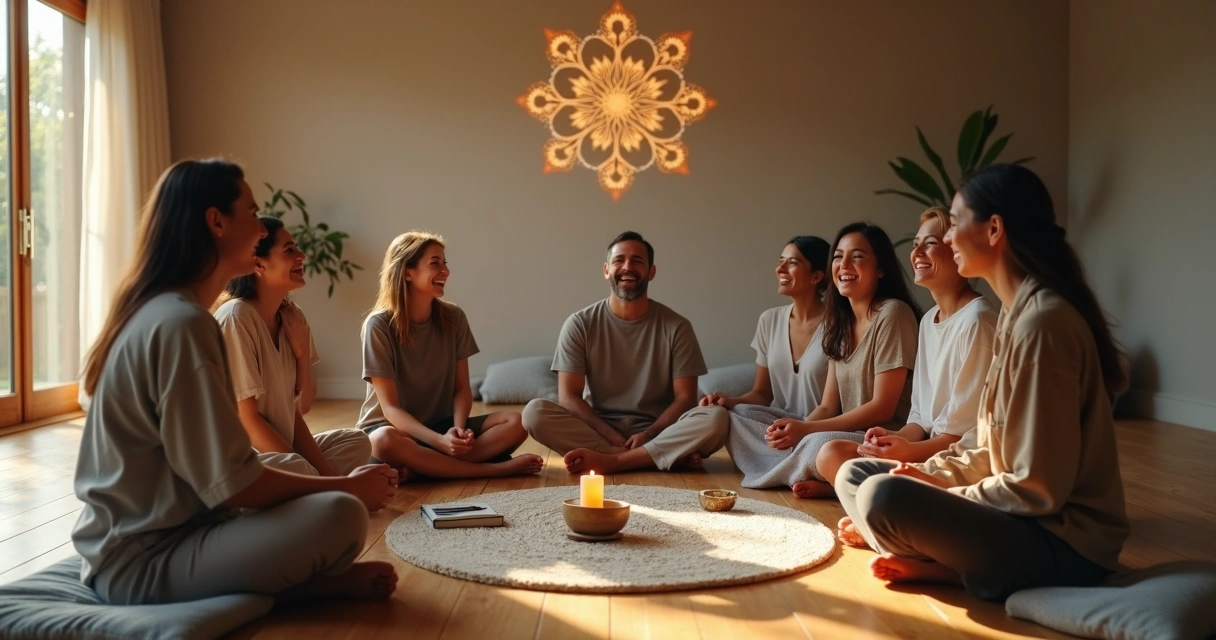

How often do we pause to witness our own thoughts, notice our habits, and gently question the path we've chosen? In our experience, setting aside time for self-reflection is not just a calming ritual; it's a powerful approach to strengthen awareness and foster true choice. When we look closely at who we are and how we respond to life, we discover the quiet space where conscious action can replace automatic reaction. Through small, intentional reflection rituals, we can design lives that feel more real and connected—to ourselves, to our purpose, and to others.
Understanding reflection as a foundation for change
Many people confuse thinking with reflecting. We think all day, in a swirl of inner talk, but reflection means stepping back and observing without rushing to judge. This moment of distance unlocks learning. Studies such as those in BMC Medical Education show that reflection sharpens attention and supports better self-assessment and learning outcomes. When we reflect, we notice more than just what we did—we see how and why we chose a certain response, and what it might mean for us in the future.
We invite you to read the following eight rituals and try those that fit your rhythm and style. You might just find, as countless others have, that a few minutes of honest pause can reshape your day.
The power of ritual for deeper awareness
Rituals, even small ones, transform routine into meaning. A ritual is any action repeated with intention, often linked to a specific place or time. When these rituals are aimed at reflection, they build an environment where self-awareness becomes a habit, not something forced or rare. Over weeks, these steps become familiar ground where we meet ourselves with clarity and compassion.
1. Morning pages: Writing your inner voice awake
Many find clarity in the early hours. One practice we've seen work is to write freely, by hand, three pages of whatever flows through the mind—no editing or censoring. This is not a diary, but a place to let the busy mind unpack itself.
“Begin the day listening to yourself, not your phone.”
This simple act calms anxiety, reveals patterns, and opens space for insight. Writing each morning, even for just ten minutes, fosters regular dialogue with our own thoughts.

2. The body scan: Sensing from within
We carry tension and signals in our bodies all day long, yet we rarely tune in. The body scan invites us to pause, close our eyes, and bring attention to each part of our body, from toes to head. It can be done lying down or sitting comfortably.
This focused scan helps release tension, and also brings hidden emotions into awareness. Research such as the British Journal of General Practice study shows that mindfulness practices, which include body scans, can lower stress and heighten self-compassion, both essential for real awareness.
3. Reflective journaling in the evening
Writing at night closes the day. We ask ourselves: What moved me most today? Did I act from my values? What did I avoid? What am I grateful for? Studies in BMC Medical Education support that keeping reflective diaries increases focus, engagement, and even motivation. Just jotting a short paragraph can change how we see the day’s events and prepare for the next.
4. The mindful pause before decision
So often, we respond out of habit. We like to recommend a 10-second pause before replying to a question or making a choice. In this moment, breathe, and check in: What is really being asked? What do I truly want to say or do?
This mindful gap disrupts autopilot and lets conscious choice lead the way. It’s a ritual that takes only moments, but, practiced over time, it opens new possibilities in every conversation.
5. Silent walking: Moving meditation
Sometimes, turning attention away from screens and into the rhythm of our footsteps offers a path to self-connection. We leave technology behind and walk, focusing on each step, the air, and our breath. No music. No calls. Just presence.

Many find that silent walking helps settle racing thoughts, creating space for new insights and fresh decisions. According to a nationally representative survey in the Journal of Alternative and Complementary Medicine, over three-quarters of those who practice meditation experience greater relaxation and less stress, hinting at the benefits of mindful physical rituals.
6. Weekly self-inquiry: Asking deeper questions
Once a week, set aside time to journal or speak aloud responses to deeper prompts, such as:
- What lesson did the past week teach me?
- Was I true to my deeper intentions?
- Where did I hold back my voice or authenticity?
- What do I want to focus on next week?
Frequent self-questioning keeps our choices on track with who we want to be rather than who we have always been.
7. Mindful listening: Returning to presence in relationships
So much of our awareness arises through our interactions with others. Mindful listening is a ritual where we practice hearing another person fully, without planning our reply or drifting into judgment. We recommend turning off distractions, making eye contact, and letting the other’s words settle before speaking.
“Listening fully is one of the greatest acts of presence.”
This approach repairs misunderstandings and opens a space for honest relationship. As we reflect with and through others, we deepen our own self-awareness.
8. Sunset review: Honoring transitions
Each day has a beginning and an ending. We suggest choosing sunset—or any transition period—to gently close the day with reflection. This might include lighting a candle, sitting in stillness, or simply watching the colors change as you think, “What do I want to release tonight?”
Letting go of the day is as meaningful as planning the next. Over time, this ritual marks the close of each chapter and prepares us to rest, setting the mind at ease.
Choosing rituals that suit your journey
The beauty of reflection rituals is their flexibility. Not every ritual fits everyone, and you might adjust or blend them to suit your own needs and beliefs. Some days, one minute of mindful pausing will be enough; on others, a longer walk or deep writing is what’s needed. The key is consistency. With gentle repetition, these small acts plant seeds of real change in how we live and choose.
Conclusion
As we make room each day or week for intentional reflection, we build a sense of personal agency that is calm, clear, and self-guided. The rituals described here move us from the hurried surface toward seeing ourselves more honestly and acting with greater intention. We believe that as awareness deepens, choice follows—and from these two, lasting change becomes possible.
Frequently asked questions
What are reflection rituals?
Reflection rituals are intentional and repeated practices designed to foster self-examination, awareness, and meaning in daily life. They often involve journaling, meditation, mindful pausing, or guided questioning, and are used to help individuals better understand their thoughts, emotions, behaviors, and choices.
How do reflection rituals help awareness?
Reflection rituals help awareness by encouraging us to pause and observe our inner experiences without immediate judgment. This process slows automatic reactions, boosts our understanding of patterns, and supports insight, which is linked to better emotional regulation and decision-making as shown in scientific studies.
Which are the best reflection rituals?
The best reflection rituals are those that feel natural, achievable, and engaging for the individual. Some people find journaling most helpful, while others prefer body scans, silent walking, or mindful listening. The most effective rituals are usually practiced consistently and match personal preferences and schedules.
How often should I practice reflection rituals?
It is useful to start with small, regular intervals such as daily or weekly reflection rituals. Even brief daily practices (like the 10-second pause or morning pages) can make a measurable difference. What matters is consistency and genuine intention, rather than strict frequency.
Can reflection rituals improve decision making?
Yes, reflection rituals can improve decision making. By providing space to consider motives and potential outcomes before acting, these rituals interrupt habitual responses and increase the likelihood of choices that reflect one’s values and goals, as supported by research on reflective practices and behavior change.